
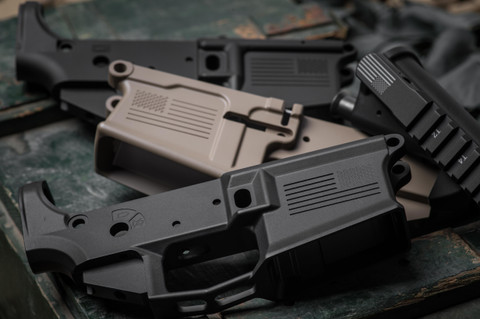
AR-15 Parts List & Build Checklist | Compatibility Guide
Posted by Andrew Maas on Jul 30th 2024
AR-15 Parts List: Complete Build Checklist and Compatibility Guide
Last reviewed: October 2026 • Author: Andrew Maas
Introduction
Planning a first AR-15 build can feel complicated because small compatibility choices affect the whole setup. This guide helps you create a practical parts checklist, understand what must match, and choose components around your intended use—such as a general-purpose range rifle, a lightweight setup, or a precision-oriented build.
Start by choosing your purpose, chambering, and barrel length. Then select compatible upper, lower, gas-system, buffer-system, and sighting components. For any regulated item or configuration, verify current federal, state, and local requirements before buying or assembling.
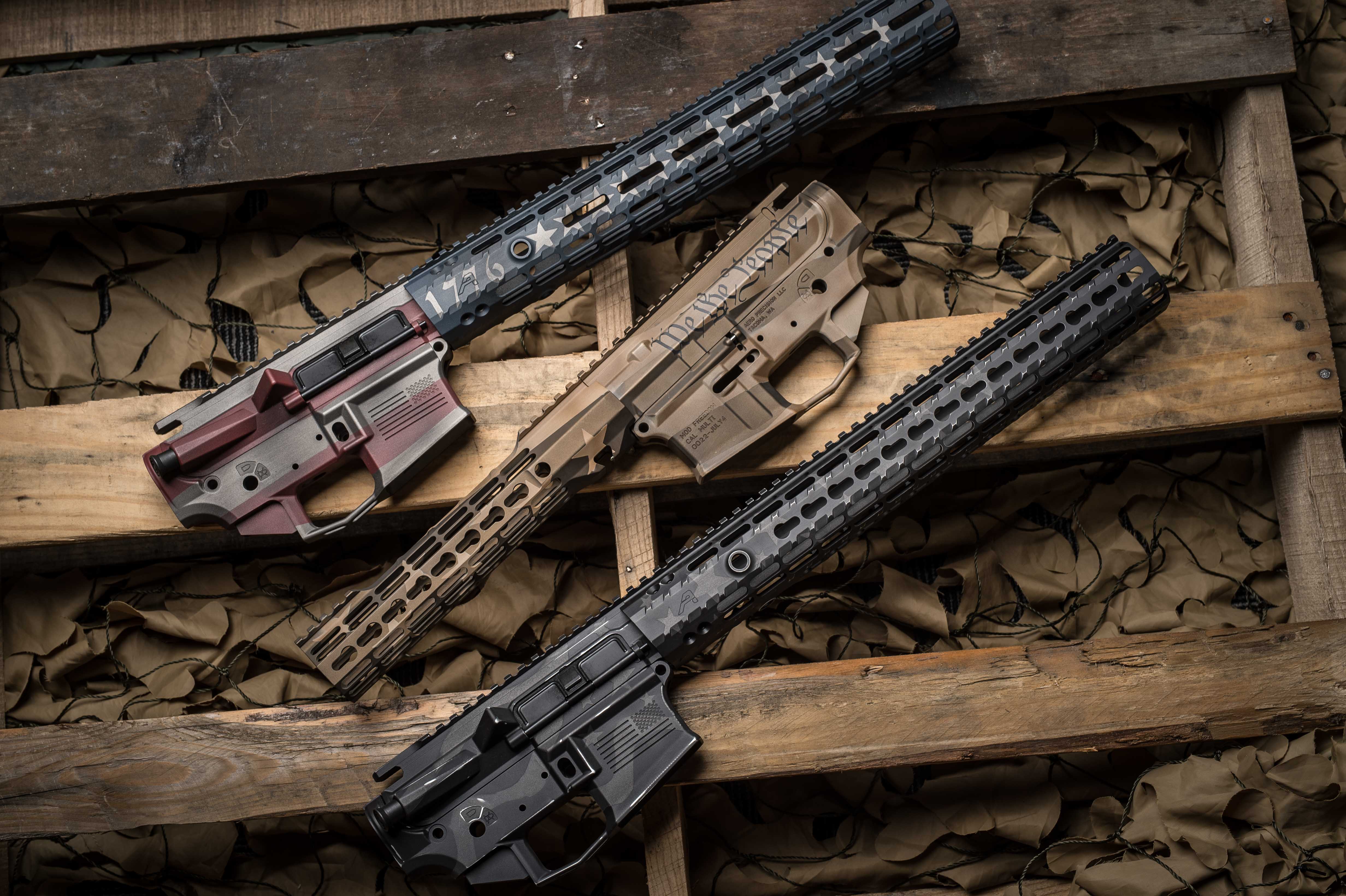
In the next sections, we'll explore the key components of a modern AR-15 rifle to better equip you with the knowledge you need to put together a successful and highly satisfying build.
Start Your AR-15 Build
Use the checklist below to plan compatible parts before ordering. If you want to simplify your build, start with a complete upper and focus your parts selection on the lower receiver group.
View the AR-15 Build Checklist
Shop AR-15 Lower Parts Kits Shop Complete Upper Receivers
Always confirm component compatibility and applicable laws before purchasing or assembling firearm components.
Key Takeaways
- A complete AR-15 parts list for lowers, uppers, barrels, BCGs, gas systems, stocks, optics, and more.
- How to choose barrel length, profile, twist rate, and chamber for your use case.
- What “mil-spec” compatibility means and how to avoid fitment issues.
- Links to parts and tools so you can build with confidence.
AR-15 Compatibility at a Glance
Confirm these matches before ordering. Product specifications and manufacturer guidance should always control if they differ from a general rule.
| Part you choose | Must match | Confirm before ordering |
|---|---|---|
| Barrel chamber | Ammunition and bolt/BCG | Use ammunition approved for the barrel’s marked chamber. Do not fire 5.56 NATO ammunition from a barrel marked only .223 Remington. |
| Barrel | Gas tube and gas block | Match gas-tube length to the barrel’s stated gas-system length. Match the gas-block inside diameter to the barrel’s gas-block journal diameter. |
| Barrel and BCG | Cartridge family and bolt face | Confirm the BCG is specified for the barrel’s chambering/cartridge family; do not assume every AR-15-pattern bolt fits every caliber. |
| Handguard | Barrel nut and gas-block clearance | Use the handguard’s specified barrel nut. Confirm the handguard’s inside diameter clears the chosen gas block. |
| Receiver extension | Stock and buffer system | Match the stock to the receiver extension type. Keep carbine-length and rifle-length buffer components within their intended systems. |
| Complete upper | Lower, magazines, and listed included parts | Confirm chambering, magazine type, legal configuration, and whether the BCG, charging handle, muzzle device, or sights are included. |
AR-15 Builder Quick Links
Jump directly to the answer you need while planning a compatible build. Each section has a shareable URL, so you can save or send the exact compatibility topic you need.
Builder resource: Bookmark this checklist and return to it as you select parts. Each section is designed to help you confirm compatibility before ordering.
AR-15 Build Checklist
Use this checklist to plan your parts before ordering. Choose either a complete upper or a stripped-upper build. Complete uppers vary by product, so confirm whether the bolt carrier group, charging handle, muzzle device, and other components are included before purchasing additional parts.
1. Choose Your Starting Point
2. Lower Receiver Group
3. Upper Receiver Group
Choose one route: A complete upper reduces the number of parts you need to select individually. A stripped-upper build gives you more customization, but requires careful compatibility checks.
Only if building from a stripped upper:
4. Finish the Setup
5. Before You Buy
Ready to shop? Shop Complete Upper Receivers | Shop Lower Parts Kits | Shop AR-15 Barrels | Shop Bolt Carrier Groups
AR-15 Build Considerations
Before getting into the specifics of what makes up an AR-15 build, let's discuss some essential and foundational considerations all AR-15 builders should think about before starting their build.
- Compatibility: Take time to ensure that all components are compatible and adhere to mil-spec dimensions. This helps avoid issues of poor fitment or malfunction. Many manufacturers advertise parts as “better than mil-spec,” but mixing too many non-mil-spec variations can lead to compatibility problems. If you go non-mil-spec, consider sticking with one manufacturer for fewer headaches.
- Quality: Invest in high-quality components from reputable manufacturers to ensure reliability, durability, and performance. Value often rises quickly as you move from budget to mid-tier, then tapers at the high end. Mid-tier parts typically offer the best performance-per-dollar; quality control is the real differentiator when many companies produce similar patterns.
- Tools: Acquire the necessary tools for assembly—vise, vise blocks, torque wrenches, and pin punches—to prevent damage and ensure proper assembly. We offer tools and kits to get you started.
- Functionality: Consider your intended use and select components that align with it. Precision builds, tactical setups, and competition rifles each have different priorities—just like you wouldn’t build a rally car the same way you’d build a Formula One car.
- Legal Considerations: Know your federal, state, and local laws regarding AR-15 assembly, required transfers, features, and shipping. Laws can change; confirm current requirements and complete all transfers through a licensed FFL. Supporting advocacy groups is a personal choice—always prioritize compliance and safe, responsible ownership.
With those considerations in mind, the sections below explain the major parts of a modern AR-15 build and the compatibility points to confirm before ordering.
Lower Receiver Parts List
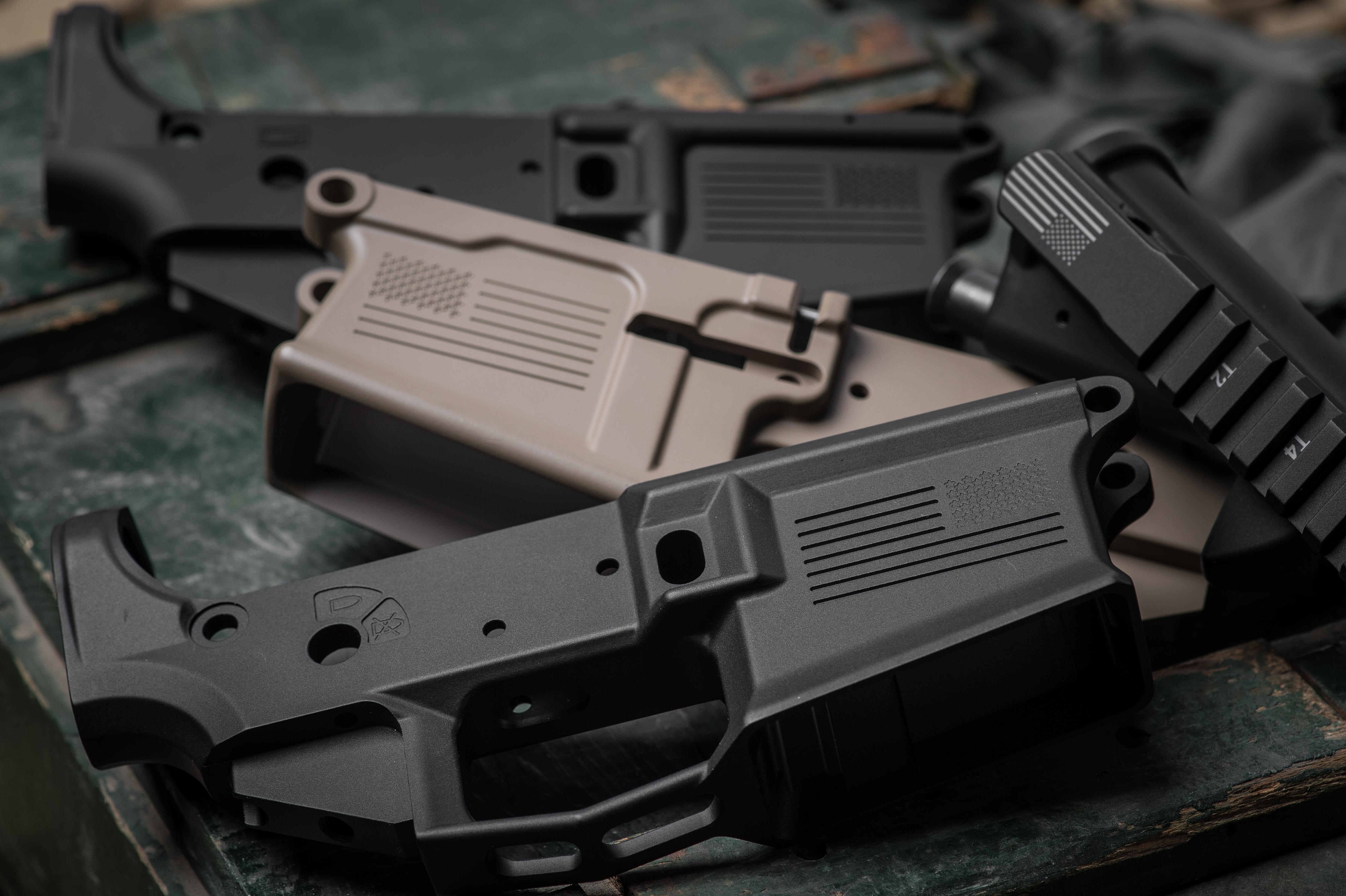
The lower receiver houses the fire-control components, magazine well, and attachment points for the receiver extension and upper receiver. For many common AR-15 configurations, the lower receiver is the component transferred through a licensed dealer; requirements can vary by product and jurisdiction.
Choose between a stripped lower and a complete lower based on how much of the lower assembly you want to select yourself. Forged and billet aluminum are common options. Before ordering, confirm current federal, state, and local requirements and complete any required transfer through a licensed FFL.
If you decide to purchase a stripped lower and assemble it yourself, you don’t have to buy every small part separately. Everything can be purchased in a lower parts kit that includes the required small parts to complete a stripped lower.
Here are the lower receiver parts and their functions:
- Lower Receiver (Stripped): The main component that houses the fire control group, magazine well, and attachment points for the buffer kit/stock and upper receiver. Marked with manufacturer, model, caliber, and serial number; must ship to a local FFL for transfer. Check state and local laws for additional requirements.
- Buffer Retainer: Retains the buffer and recoil spring within the lower; holds these components in place during operation (included in most lower parts kits).
- Buffer Retainer Spring: Applies tension to the buffer retainer (included in most lower parts kits).
- Takedown Pin Spring: Applies pressure to the takedown pin, keeping it in place while allowing easy disassembly (included in most lower parts kits).
- Takedown Pin Detent: Interacts with the takedown pin to hold it securely open or closed (included in most lower parts kits).
- Takedown Pin: Works with the pivot pin to allow quick separation of upper and lower for maintenance (included in most lower parts kits).
- Safety Detent: Provides tactile feedback when switching between safe and fire (included in most lower parts kits).
- Safety Detent Spring: Applies pressure to the safety detent (included in most lower parts kits).
- Safety Selector: Lever used to engage or disengage the safety (included in most lower parts kits).
- Pistol Grip Screw (with Lock Washer): Secures the pistol grip to the lower (included in most lower parts kits).
- Pistol Grip: The handle where your strong hand grips the rifle. Try different grips to find the best fit.
- Bolt Catch / Roll Pin / Plunger / Spring: Holds the bolt carrier group open after the last round; sub-components support its function (included in most lower parts kits).
- Magazine Catch / Button / Spring: Releases the magazine; spring provides tension (included in most lower parts kits).
- Pivot Pin / Detent / Spring: Works with the takedown pin for disassembly (included in most lower parts kits).
- Trigger Guard Pivot Roll Pin & Trigger Guard Assembly: Secures and forms the trigger guard (included in most lower parts kits).
- Trigger / Springs / Disconnector: Initiates firing; disconnector ensures semi-auto function (included in most lower parts kits). Many great aftermarket triggers are available.
- Hammer / Hammer Spring / Hammer & Trigger Pins: Strikes the firing pin; pins allow the assemblies to pivot (included in most lower parts kits).
- Magazine: Feeds cartridges into the chamber. Keep several on hand for range sessions. Shooter’s tip: If your rifle isn’t cycling consistently, swap magazines first—often the easiest fix.
NOTE: The buffer kit and stock are typically considered part of the lower, but we’ll cover those components separately below.
Upper Receiver Parts List
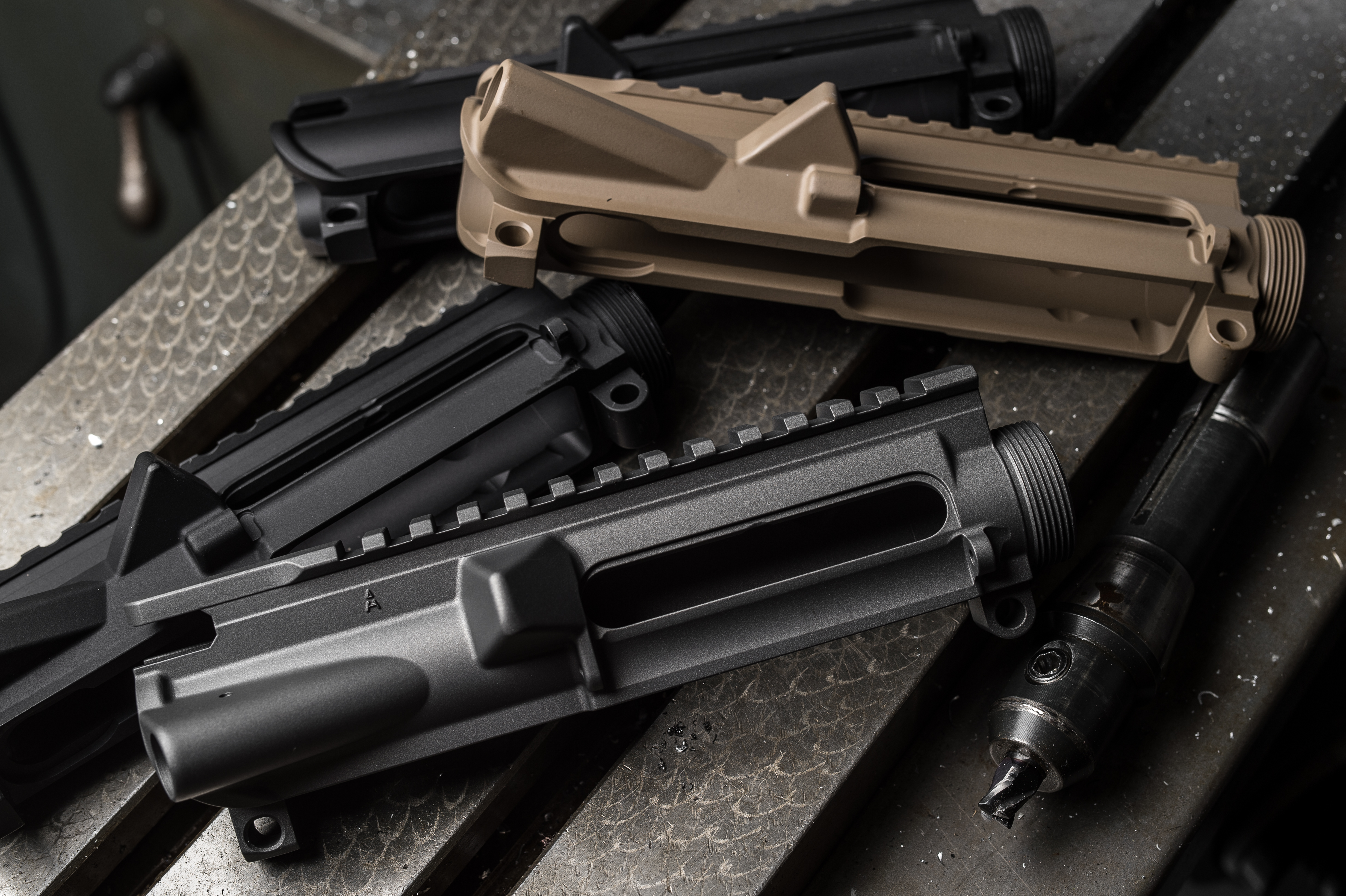
The upper receiver contains the charging handle, bolt carrier group, gas system, barrel, and handguard. It’s where the action happens after a round is fired and is also where most of your build budget should go. Uppers can be customized for barrel lengths and calibers, handguard types, and optics mounting solutions. Compatibility with the lower receiver is crucial for a seamless fit and operation. Most uppers can be swapped across compatible lowers to change setups without buying another complete lower.
Here are the upper receiver parts and their functions:
- Upper Receiver Housing (Stripped): Provides the mounting interface for the barrel, handguard, charging handle, and bolt carrier group.
- Charging Handle: Used to manually chamber a round; the latch locks it in place and the spring returns it forward. The roll pin secures sub-components.
- Forward Assist (spring pin, plunger, pawl spring pin, pawl spring, pawl detent, pawl): Helps push the bolt fully into battery if needed. Many uppers omit it; others keep it “just in case.”
- Ejection Port Cover (cover, cover pin, ring, cover spring): Protects the ejection port from debris and fouling.
- Handguard: Protects your hand from heat and provides a mounting surface for foregrips, lights, lasers, and backup sights. Designs vary widely—if you don’t like one, there are many others.
- Barrel Nut: Secures the barrel to the upper and provides a mounting point for the handguard; torque to spec for alignment and stability.
- Gas Block (clamp or screw): Regulates gas from the barrel to the gas tube to cycle the action; some users pin the block to the barrel for maximum security.
- Gas Tube (tube and roll pin): Transfers gas from the barrel to the BCG; direct-impingement system.
- Barrel: Rifled tube the bullet travels through; accuracy driver. More on barrels below.
- Crush Washer: Helps properly time and secure muzzle devices.
- Muzzle Device: Reduces recoil, redirects blast, or reduces flash (flash hiders, compensators, brakes).
- Carry Handle with Rear Sight (optional): Combines a carry handle with an integrated rear sight for co-witness or irons-only setups.
Choosing an AR-15 Barrel
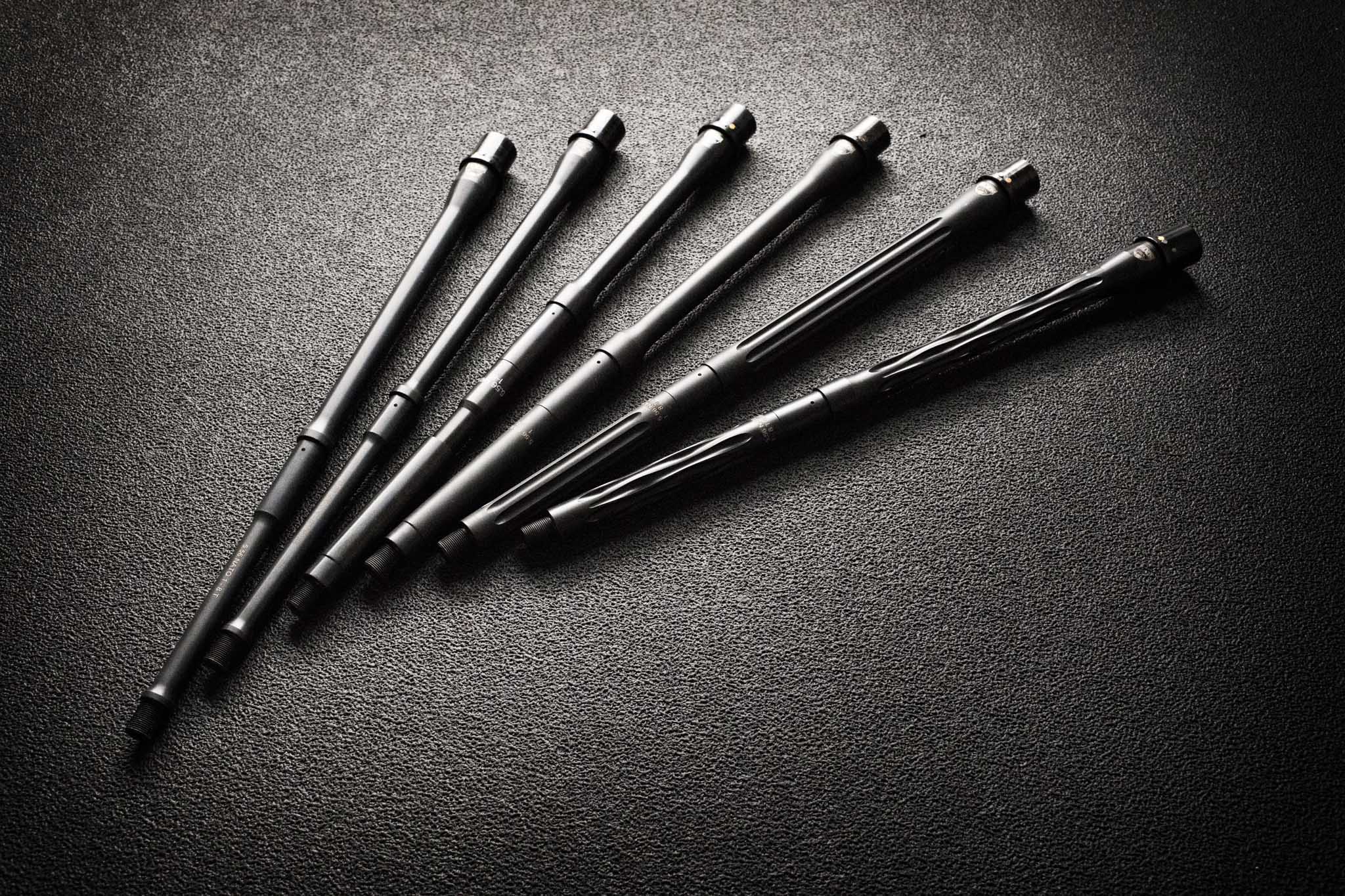
In the realm of AR-15 customization, few components are as critical to performance as the barrel. It affects accuracy, range, and overall shooting experience. With many options available, it can be daunting; here are the key factors:
- Length: Common choices range from 10.5" to 20". Longer barrels generally yield higher velocity and better precision potential; shorter barrels favor maneuverability.
- Profile: Government, lightweight, medium, and heavy profiles balance heat handling, rigidity, and weight differently.
- Material: Stainless steel (often favored for precision) and chrome-moly steel (durable and cost-effective) are most common.
- Twist Rate: Expressed as turns per inch (e.g., 1:7). Faster twists stabilize heavier bullets; 1:7–1:8 cover most 55–77gr loads.
- Chamber: Popular options include .223 Wylde, 5.56x45mm NATO, and .300 Blackout. Use ammunition approved for the barrel’s marked chamber. Do not fire 5.56 NATO ammunition from a barrel marked only .223 Remington; when uncertain, follow the barrel manufacturer’s documentation.
Popular barrel types and profiles:
- Match Grade: Tighter tolerances and finish work for enhanced precision.
- Pencil: Slim, lightweight; great for carry weight and quick transitions.
- Fluted: Reduces weight and can aid cooling while maintaining rigidity.
- Chrome-Lined: Excellent durability and corrosion resistance for high-volume use.
- Carbon Fiber: Significant weight savings with strong rigidity.
Essential considerations when choosing a barrel:
- Purpose: Long-range, general-purpose, or home defense?
- Budget: Mid-tier options often offer the best value.
- Compatibility: Match chamber, gas system length, and gas block diameter.
- Research: Read reviews and test data; consider manufacturer reputation.
- Quality Control: Choose brands known for consistency and inspection.
Bolt Carrier Group (BCG)
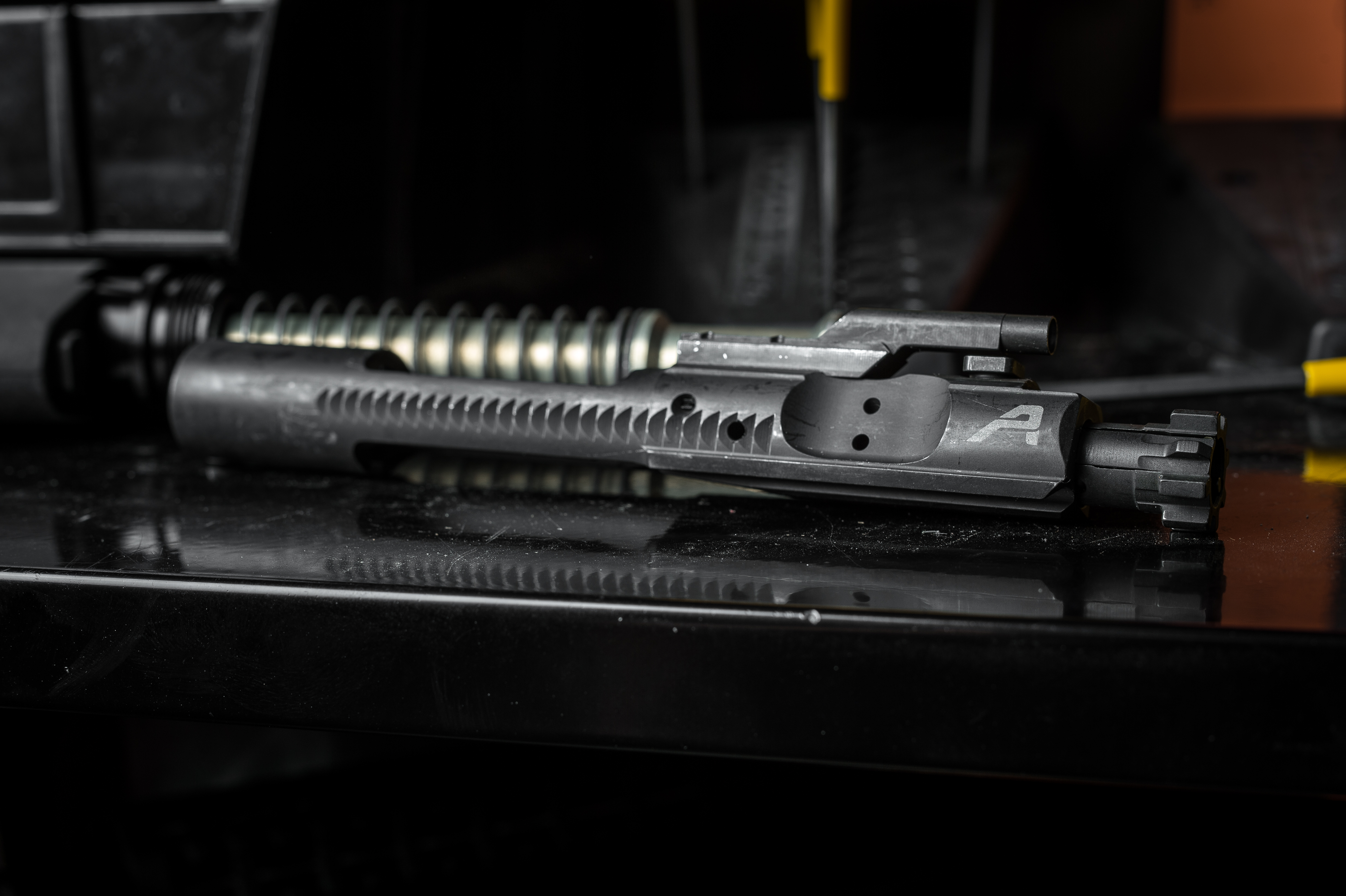
The BCG is responsible for chambering, firing, extracting, and ejecting rounds with reliability. Understanding the components helps you pick coatings and configurations that match your goals.
Anatomy of an AR-15 Bolt Carrier Group
- Bolt: Locks into the barrel extension, extracts spent casings, and chambers new rounds (bolt head, extractor, ejector, gas rings).
- Carrier: Houses the bolt; includes the gas key (interfaces with the gas tube) and cam pin slot to rotate the bolt.
- Gas Key: Staked to prevent loosening; channels gas to cycle the action.
- Firing Pin: Strikes the primer; retained by a firing pin retaining pin.
- Cam Pin: Enables bolt rotation during the cycle.
BCG Options
- Standard AR-15 BCG: Full-mass carrier for semi-auto rifles; durable and cost-effective.
- M16-profile / full-mass carrier: A common full-mass carrier profile used in many semi-automatic AR-15 builds. Confirm product specifications and all applicable laws before purchase or use.
- Low-Mass / Lightweight BCG: Material removed to reduce weight for faster cycling and potentially reduced felt recoil.
- Nickel Boron (NiB) Coated: Enhanced lubricity and corrosion resistance; easier cleaning.
- Adjustable Gas Key: Allows fine-tuning for suppressors or specific loads.
BCG Coatings and Finishes
- Phosphate (Parkerized):
- Pros: Good corrosion resistance, durable, cost-effective.
- Cons: Higher friction than some coatings; may require more frequent cleaning/lube.
- Black Nitride (Melonite):
- Pros: Excellent corrosion and wear resistance; smooth, easy-to-clean surface; increased surface hardness; cost-effective.
- Cons: Slight color variation possible; availability varies by brand.
- Nickel Boron (NiB):
- Pros: Great corrosion resistance, low friction, easy to clean.
- Cons: Higher cost; choose reputable NiB providers to avoid flaking.
- Hard Chrome:
- Pros: Outstanding corrosion and wear resistance; very smooth; heat resistant.
- Cons: More expensive; fewer options on the market.
- Titanium Nitride (TiN):
- Pros: Extremely hard, low friction, heat resistant; distinctive gold/copper appearance.
- Cons: Premium price; limited availability.
- Diamond-Like Carbon (DLC):
- Pros: Extremely hard, very low friction, chemically inert, easy to clean.
- Cons: Premium price; fewer options.
- Cerakote:
- Pros: Huge color/custom options; good corrosion and scratch resistance.
- Cons: Application complexity; thin coating—best reserved for exterior parts, not high-tolerance surfaces like a BCG’s bearing surfaces.
At the core of the rifle's functionality, the BCG’s material, mass, and finish affect reliability, smoothness, and maintenance—choose based on purpose and ammo/suppressor plans.
Gas System
The gas system uses propellant gas from a fired round to cycle the action. The length—pistol, carbine, mid-length, or rifle—is set by the barrel’s gas-port location and affects timing and shooting feel. The barrel’s gas-block journal diameter is a separate specification that determines the gas-block size you need. Before ordering, match the gas tube to the barrel’s stated gas-system length and the gas block to the barrel’s stated journal diameter. See our gas blocks and gas tubes.
Handguards
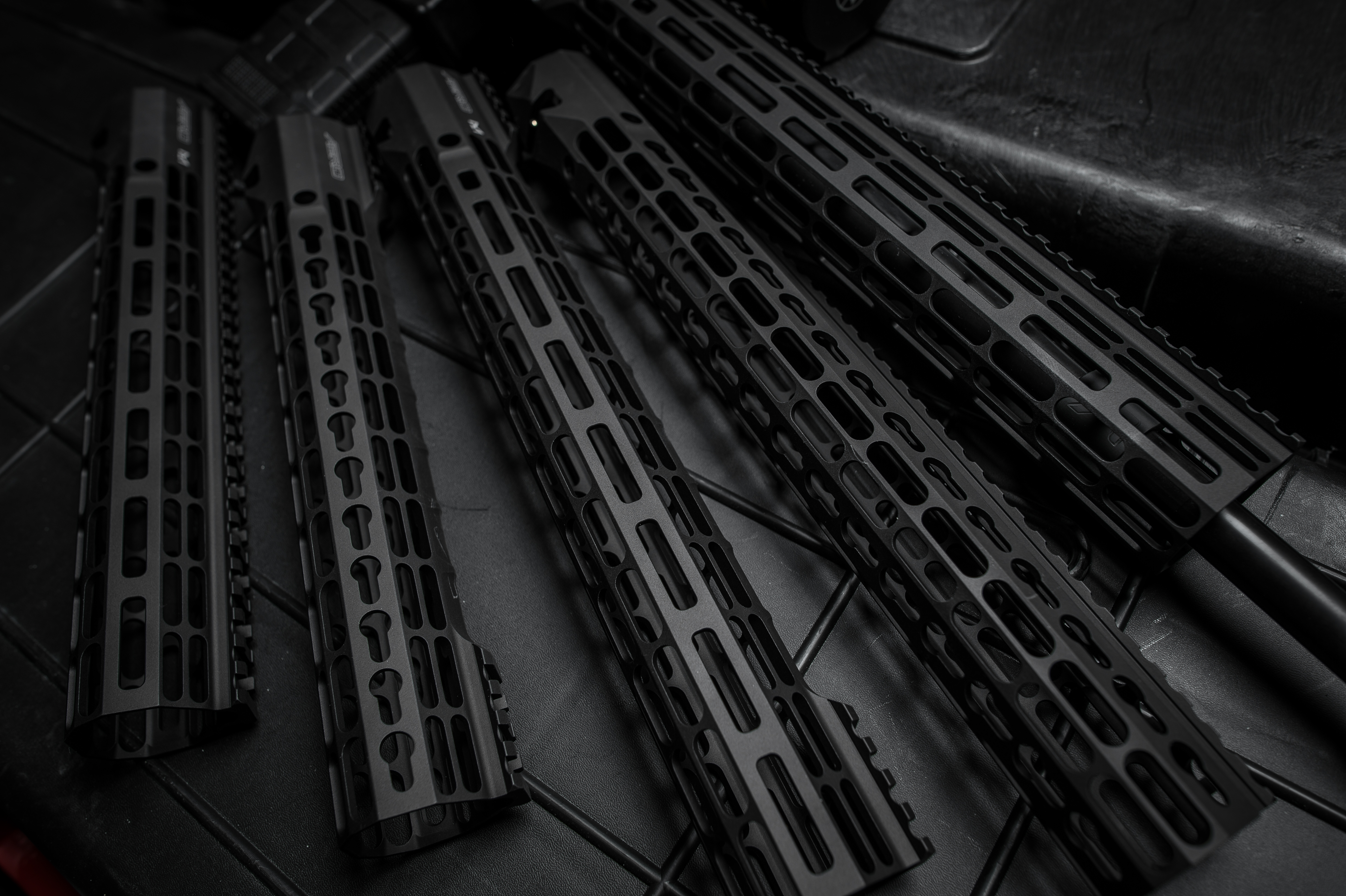
Handguards protect your hand from heat and provide mounting space for foregrips, lights, lasers, and sights. They come in free-floating or drop-in styles; free-float options avoid contacting the barrel for potential accuracy gains. Pay attention to the mounting system (e.g., M-LOK vs. Picatinny) so your accessories attach correctly.
Stock and Buffer System
The stock and buffer system both influence operation, comfort, and performance. Let’s break them down.
Stocks
- Fixed Stocks: Stable, consistent cheek weld; often preferred for precision and longer-range shooting. Some include storage compartments.
- Adjustable Stocks: Let you change length of pull for body size, armor, or position. Common for tactical and general-purpose builds.
Buffer System
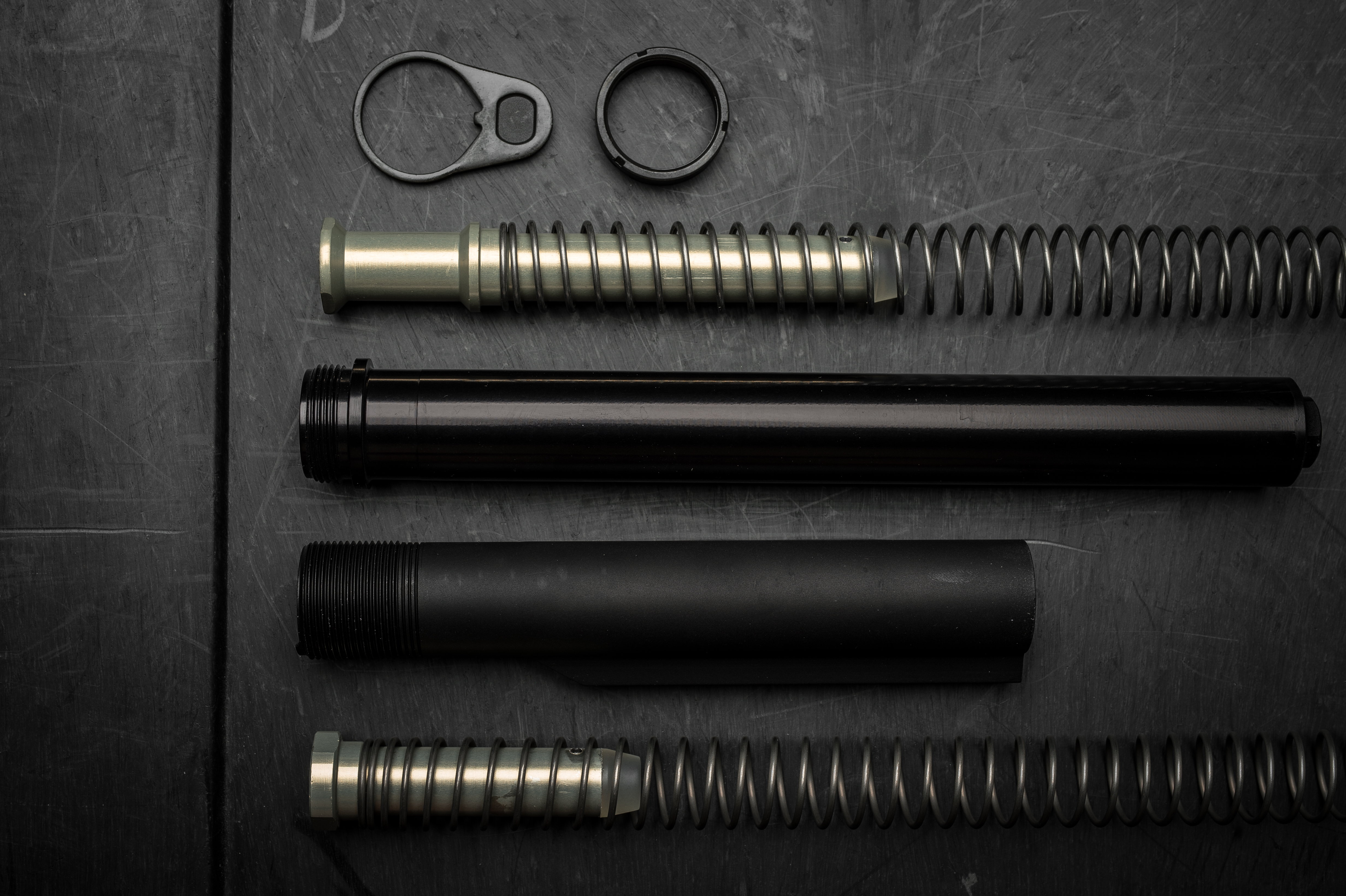
- Buffer Tube (Receiver Extension): Houses the buffer and spring; also the stock attachment point. Two sizes: mil-spec and commercial—match your stock to the tube type.
- Buffer Spring: Returns the BCG forward; tension and length impact cycle rate and feel.
- Buffer: Weighted cylinder that tempers the BCG’s rearward movement; available in different weights (e.g., carbine, H, H2, H3) to fine-tune behavior.
- End Plate & Castle Nut: Secure the tube and often provide sling attachment points.
Together, the stock and buffer system shape stability, comfort, and reliability. Choose based on barrel length, gas system, and intended use. Explore buffer kits and stocks.
Sights and Optics
Iron sights or backup sights—fixed or flip-up—provide a simple and reliable aiming solution. For enhanced accuracy and range, optics like red dots, holographic sights, LPVOs, and scopes mount to the upper receiver. Choose based on use case: close-quarters, general-purpose, or distance.
Accessories and Customization
Beyond core components, there’s a world of accessories to personalize your AR-15—enhanced triggers for smoother operation, ergonomic grips for better control, ambidextrous controls, lights, and more. There are thousands of options and new ones arrive daily. (Yes, even novelty add-ons.) Build for function first—then style it how you like.
Popular Picks for Your Build
Frequently Asked Questions
- What is the simplest AR-15 build path for a first-time builder?
- Many first-time builders begin with a complete upper and focus on selecting a compatible complete lower or assembling a stripped lower with a lower parts kit and buffer system. This reduces the number of upper-receiver assembly and compatibility decisions while still allowing useful customization.
- What parts are required to build an AR-15 from a stripped lower?
- At minimum: stripped lower, lower parts kit (trigger, springs, pins, controls), buffer tube, buffer, spring, stock, complete upper (or stripped upper plus barrel, barrel nut, gas block/tube, handguard, charging handle, BCG), sights/optic, and magazines.
- What is usually included with a complete AR-15 upper?
- A complete upper typically includes the assembled upper receiver, barrel, gas system, handguard, and muzzle device. However, “complete” does not always mean it includes a bolt carrier group, charging handle, sights, or muzzle-device mounting hardware. Read the specific product listing and confirm every included component before ordering.
- What AR-15 barrel length should I choose?
- 16" is the most common all-around length. 18–20" favor velocity/precision; 10.5–14.5" improve maneuverability but may require tuning (and legal compliance).
- Does every AR-15 bolt carrier group work with every AR-15 barrel?
- No. Confirm that the bolt carrier group is specified for the barrel’s chambering and required bolt face. A standard 5.56/.223-pattern bolt is not automatically correct for every AR-15 cartridge. Follow the barrel and bolt manufacturer’s compatibility guidance and confirm headspace through qualified help before firing.
- What twist rate works for most 5.56 loads?
- 1:7 or 1:8 offers broad compatibility from ~55–77gr. Heavier match bullets (69–77gr) often prefer 1:7.
- Does every AR-15 handguard fit every barrel nut?
- No. Many free-float handguards use a barrel nut designed specifically for that handguard. Use the barrel nut supplied or specified by the handguard manufacturer, and confirm the handguard has adequate internal clearance for the chosen gas block.
- Does gas-system length have to match buffer-system length?
- No. Gas-system length is determined by the barrel’s gas-port location and must match the gas tube. The buffer, spring, receiver extension, and stock must be compatible with one another as a buffer system. Buffer weight selection can vary with the barrel, gas-port specification, ammunition, and intended configuration.
- Mil-spec vs. commercial buffer tube?
- Mil-spec tubes have a slightly smaller outer diameter and broader stock compatibility. Match your stock to the tube type you buy.
- Can I mix AR-15 parts from different manufacturers?
- Often, yes, when components follow the same AR-15 pattern and their specifications match. Do not assume every part is universal: confirm chambering, bolt face, gas-system length, gas-block journal diameter, handguard and barrel-nut interface, stock and receiver-extension type, and any manufacturer-specific requirements before ordering.
- Do I need an M16-profile carrier for a semi-automatic AR-15?
- An M16-profile, full-mass carrier is a common option in many semi-automatic AR-15 builds. Confirm the product specifications for your build and follow all applicable laws before purchase or use.
Conclusion
With a clear AR-15 parts list—lower and upper components, barrel selection, BCG coatings, gas system lengths, handguards, stocks, and optics—you can plan a build that fits your purpose and budget. If you’re ready to start, shop complete upper receivers for a simplified starting point, or explore our AR-15 barrels, bolt carrier groups, gas system parts, handguards, and lower parts kits.